
8.32 MB
The 7th Polio Transition Independent Monitoring Board (TIMB) Report takes a close look at how the world can safely transition from the Global Polio Eradication Initiative (GPEI) to country-led efforts, ensuring that the hard-won progress against polio is not only maintained but built upon. This report highlights both the achievements and challenges in this critical phase, offering practical recommendations for a polio-free future.
Key Takeaways
-
Polio Transition: A New Chapter
- Transitioning doesn’t mean walking away—it’s about creating long-term plans to keep the world polio-free.
- Some countries still face big hurdles, like weak health systems, conflicts, and ongoing poliovirus outbreaks, making this transition more complex than expected.
-
What Needs to Stay Strong
- Vaccination: Ensuring every child gets vaccinated, especially in countries with lower coverage.
- Surveillance: Keeping watch for any signs of polio through advanced systems that can detect outbreaks early.
- Rapid Response: Making sure countries can act quickly if a new outbreak happens.
-
Fresh Strategies for the Future
- WHO has introduced new ways to measure progress, shifting the focus to real results—like how many children are protected—rather than just the process.
- Some countries will need continued support while they work toward taking full responsibility for polio-related health programs.
-
The Role of Financing
- Funding remains a major challenge. Many countries still rely on donors, but efforts are underway to map resources and help countries step up their own funding.
-
Beyond Eradication: Sustaining Success
- Even after polio transmission stops, the work isn’t done. Countries must integrate polio functions into their national health systems to ensure immunity remains high, surveillance stays sharp, and outbreaks are quickly contained.
What the Report Recommends
- Build Resilient Health Systems: Make sure polio programs are part of broader health services to strengthen countries’ ability to handle other health challenges too.
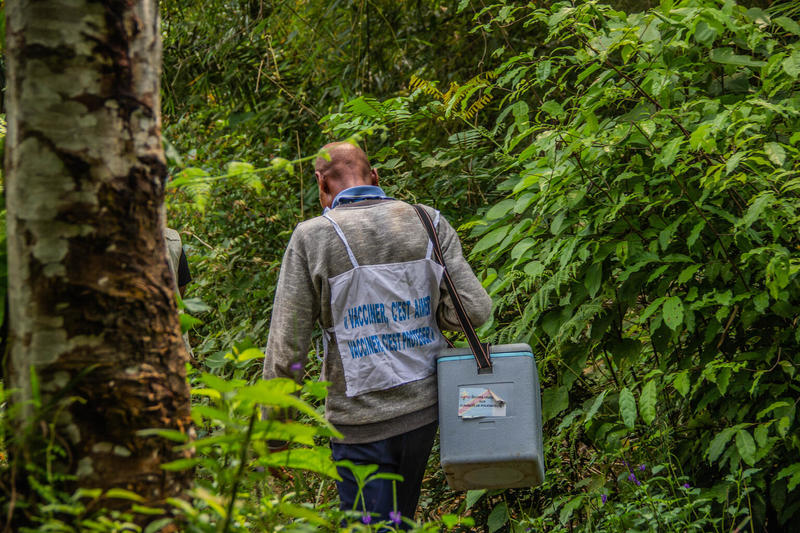
- Focus on the Most Vulnerable: Reach children who have missed vaccinations, especially in conflict-affected and remote areas.
- Secure Funding for the Long Haul: Find sustainable ways to pay for ongoing vaccination and surveillance programs.
- Prepare for the Unexpected: Ensure countries are equipped to detect and respond to any poliovirus threats quickly.
- Promote Ownership: Encourage national governments to lead the charge in keeping their populations safe from polio.
Why This Matters
The fight against polio has been one of the greatest public health achievements of our time. But the job isn’t done yet. Transitioning from a global effort like the GPEI to country-led programs is a complex task, but it’s essential to protect the gains we’ve made and prevent polio from ever coming back.
The TIMB Report highlights what’s working, where the gaps are, and how we can move forward—together. With global commitment, strong leadership, and innovative strategies, we can secure a polio-free future for every child, everywhere.