
1.13 MB
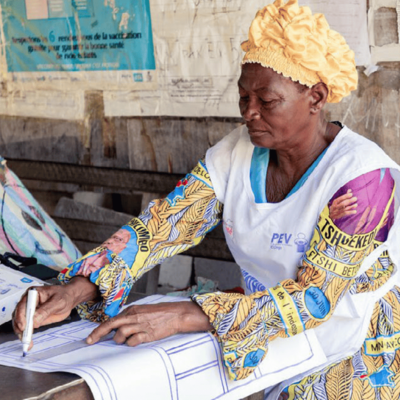
This brief from the Global Center for Gender Equality (GCfGE) looks at how DRC's polio outbreak response is being shaped by efforts to address gender inequalities. Drawing on four recent gender analyses, partners have identified key barriers — from women's limited mobility and decision-making power (48% need their husband's permission to vaccinate) to men's low involvement in children's health and gaps in the gender balance of the workforce.
The brief showcases concrete strategies in action: the Washindi approach, launched by UNICEF and GHOVODI in 2023, engages men on positive masculinity and shared parenting while creating safe spaces for women; partnerships with women's associations and community health committees (CODESA/CAC) are expanding women's leadership in vaccination planning; a WHO-government initiative is working to recruit more women health workers; and policies such as the Code of Good Conduct aim to combat sexual harassment and GBV in campaigns. Early evidence points to higher immunization uptake, though sustained progress will depend on integrating gender into program design, data systems, and budgeting across GPEI.