
346.74 KB
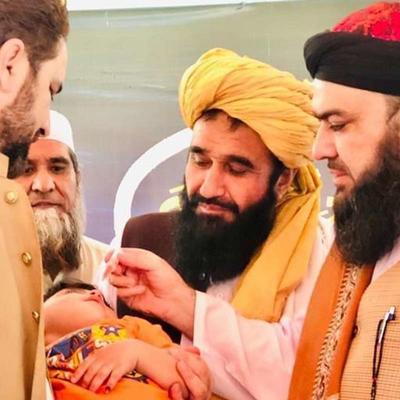
A comprehensive operational guideline developed by UNICEF's SBC Polio teams (Nairobi, New York, and regional offices) to systematically engage religious leaders in polio outbreak response and routine immunization. Draws on best practices and a 13-country survey across ESAR, MENAR, and WCAR regions.
The guidance covers five trust-building principles: selecting the right influencers in churches and mosques, using trusted communication channels, ensuring early and transparent information-sharing, promoting two-way communication, and coordinating public messaging. It then provides eight strategic recommendations: formalizing partnerships with faith-based institutions; integrating EPI, SIAs, and polio response into annual faith-based action plans; building capacity of religious leaders and their representatives; strengthening gender-sensitive approaches (particularly women's faith networks); addressing resistance through dialogue and positive deviance; allocating dedicated budgets; developing a Digital Community Engagement plan for religious leaders; and strengthening coordination and microplanning.
Practical tools include a campaign-phase activity checklist (before, during, after), an M&E framework with output and outcome indicators, a 9-phase implementation checklist, and three annexes: faith-grounded scriptural passages for Christian and Muslim audiences, a template announcement for churches and mosques, and standardized prebunk/demystify messages for common vaccine rumors (halal concerns, prayer vs. vaccines, etc.).
Best used for: designing and operationalizing religious engagement in polio and EPI programmes, training SBC teams on faith-based approaches, misinformation response, and digital engagement with religious networks.