

152.63 KB
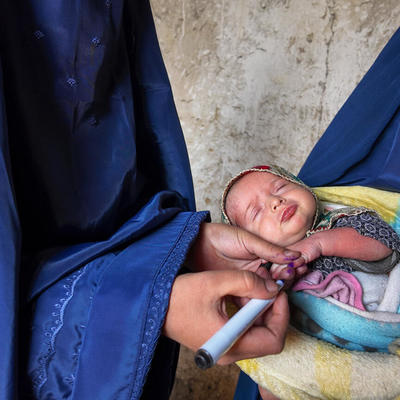
A GPEI/UNICEF analytical brief synthesizing refusal data from Afghanistan's Southeast region and identifying the behavioral, social, and programmatic root causes of persistent vaccine refusals.
The review finds that refusals in the Southeast are highly concentrated and worsening — Paktika accounts for over 23,000 still-refusal families, with no improvement across 2025, while Khost shows a deteriorating trend. Hard/chronic refusals make up 70% of cases, rooted in religious and ideological beliefs including narratives that the vaccine is haram or a western instrument of harm. Refusal decisions are driven primarily by husbands (74%) and elders (22%), with health workers excluded from trusted information networks. The review identifies five distinct refusal profiles requiring differentiated responses: hard/chronic, soft/silent, service demand-driven, influencer-driven, and unreachable households. On the programmatic side, it diagnoses five structural weaknesses undermining current efforts: refusal data not linked to social networks; religious leaders engaged only during campaigns rather than continuously; frontline workers lacking trust and capacity; weak influencer selection and monitoring; and fragmented local oversight systems. The document closes with five strategic shifts — from campaign-centric to continuous network-driven engagement; from frontline worker-led to trusted network-led outreach; from generic to tailored data-driven messaging; from ad hoc to accountable influencer systems; and from fragmented to structured local oversight.
Best used for: behavioral analysis of refusal drivers, programmatic diagnosis, refusal segmentation and targeting, designing network-driven engagement strategies.